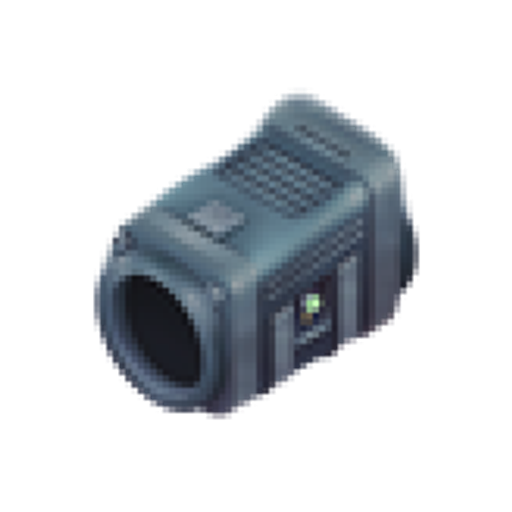
Pumpe (Rohre)
Pumpe (Rohre) in FOUNDRY: crafting recipe, production chain inputs, and crafts that consume it.
Info - Kategorie: Logistics · solid · Stapelgroesse: 50
Rezept
Pumpe (Rohre)
Maschine: assembler · Craft-Zeit: 3s
Zutaten
- 6 × Xenoferrit-Platten
- 5 × Maschinenteile
- 2 × Elektronische Komponenten
Produkte
- 1 × Pumpe (Rohre)
Guide
Pump (Pipelines) is essential for moving fluids efficiently through pipeline systems in your factory. It enables the transport of liquids across long distances and helps overcome elevation changes that would otherwise stall or slow down flow.
Without properly placed pumps, fluid movement can become sluggish or even stop entirely, creating bottlenecks that disrupt production lines. This makes the pump a critical component wherever consistent fluid delivery is required.
Scaling up fluid transport introduces new challenges, as balancing flow and maintaining pressure across complex pipeline networks can be unintuitive. Careful planning and placement of pumps are necessary to ensure your logistics remain smooth and uninterrupted.
Tipps
- Strategically place pumps at intervals along lengthy or elevated pipelines to maintain steady fluid flow and prevent pressure drops.
- Monitor your pipeline system for signs of slowdowns or blockages - these often indicate a need for additional pumps or adjustments in placement.
- Experiment with different pipeline layouts and pump configurations, especially in complex systems, to identify the most effective arrangement for your factory's needs.
- Regularly check pipeline flow and pressure to quickly spot areas where fluid movement is insufficient and address issues before they impact production.
Unlock requirements
- Pipeline
FAQ
Are there specific guidelines or best practices for optimal pump placement in large-scale pipeline networks?
Best practice is to place a pump whenever you notice a slowdown in fluid movement, especially after long horizontal runs or when the pipeline changes elevation. Regular intervals help maintain consistent flow, but the exact spacing depends on your factory's layout and demands. Monitor flow rates and add pumps where pressure drops occur.
Is there a maximum distance or elevation a single pump can handle before requiring additional pumps?
A single pump can only move fluids effectively over a limited distance or height. If you see fluid flow slowing or stopping, it's a sign that another pump is needed. For very long pipelines or significant elevation changes, plan to add pumps at intervals to maintain pressure and prevent bottlenecks.