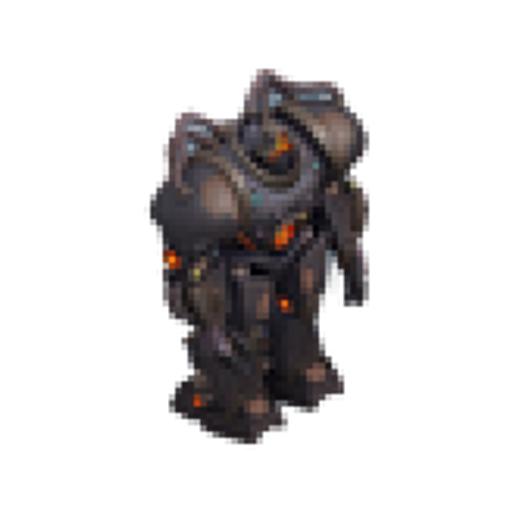
Hazard Robot
Hazard Robot in FOUNDRY: item data, stack size, and related recipes in the factory planner.
About - Category: sales items · solid · Stack size: 10
Guide
Hazard Robots are specialized automation items designed to enhance the efficiency of chemical and fluid processing buildings. Their primary function is to handle complex or hazardous materials that standard automation cannot manage as effectively.
A key friction point for players is knowing exactly where Hazard Robots are required. Some planets or specific buildings mandate their use, while others do not, leading to uncertainty during factory planning and expansion.
Determining which production chains or research steps benefit from Hazard Robots can be ambiguous. While they are not universally needed, their deployment in the right contexts can significantly streamline operations, especially in advanced fluid or chemical setups.
Tips
- Always check chemical and fluid processing buildings - such as Distillation Columns and fracking fluid plants - to see if Hazard Robots are required for optimal operation.
- Monitor your production chains for signs of bottlenecks or inefficiencies that may be resolved by deploying Hazard Robots in the appropriate buildings.
- Look for in-game cues or building interface hints that indicate when a Hazard Robot is needed, as requirements can vary between planets and factory layouts.
Unlock requirements
- Hazard Robot Assembly
FAQ
Are there additional buildings or processes that benefit from Hazard Robots beyond those commonly discussed?
Yes, some advanced or planet-specific processing facilities may require Hazard Robots even if they are not widely mentioned. Always check the automation requirements in the building's interface, as certain late-game or specialized factories can introduce new needs for Hazard Robot.
Is there a clear in-game indicator for when Hazard Robots are required versus other robot types?
Most buildings that require Hazard Robot will display a unique icon or automation slot in their interface, distinguishing them from standard robot requirements. Pay attention to these cues to ensure the correct automation type is used.