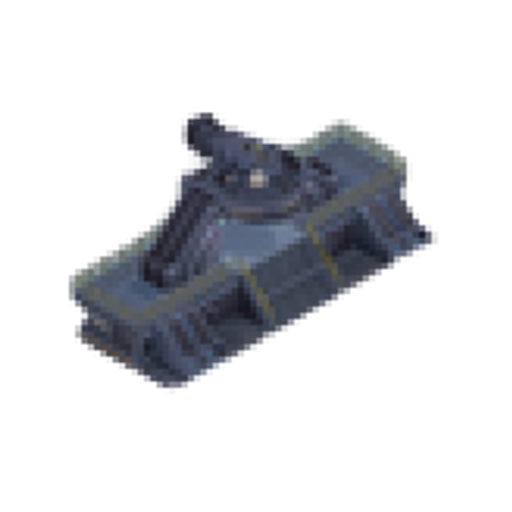
火车装载站
火车装载站 in FOUNDRY: crafting recipe, production chain inputs, and crafts that consume it.
简介 - 分类: trains · solid · 堆叠: 25
配方
火车装载站
设备: assembler · 制作时间: 5s
材料
- 30 × 异铁石板
- 15 × 高级设备零件
- 10 × 电子元件
产物
- 1 × 火车装载站
指南
The Train Loading Station serves as the primary interface for transferring items onto trains, enabling automated transport between distant areas of your factory. As a key component in any large-scale logistics network, it allows players to move bulk resources efficiently, reducing manual hauling and streamlining complex supply chains.
Its importance grows as your production expands, since trains are often the only practical way to move high volumes of materials across long distances. However, players may encounter friction when setting up their first stations, especially due to limited documentation on fluid handling and optimal station layout.
Many players find themselves frequently checking on station operations to ensure smooth item flow, and community discussions often revolve around best practices for layout, storage, and handling of both solid and fluid resources.
提示
- Design your loading stations to be as compact as possible without sacrificing throughput, making it easier to expand or modify them later.
- For high-volume transport needs, consider building multiple loading stations to distribute the load and prevent bottlenecks.
- Regularly monitor your loading stations to quickly identify and resolve issues that might disrupt train schedules or resource flow.
- Organize incoming item lines and manage storage buffers near your stations to keep logistics running smoothly and avoid upstream starvation.
Unlock requirements
- Trains
常见问题
Does the Train Loading Station handle fluid transfer into tanker wagons?
The Train Loading Station is the item-transfer building for loading trains. Fluid movement uses tanker wagons and separate fluid buildings, not a pipe connection on this station.
What are best practices for buffer storage sizing when using train loading stations for different resource types?
Buffer storage should be sized according to the volume and frequency of your train runs. For high-demand resources, larger buffers help prevent station starvation and ensure trains are fully loaded. For low-volume items, smaller buffers are sufficient, but always allow some extra capacity to avoid blocking input belts or pipes.